
In bespoke manufacturing, where every product ships tailored to customer specifications, the traditional bill of materials (BOM) is both essential and maddeningly inflexible. You release a work order with a carefully crafted BOM detailing every component, fastener, and assembly step. Production begins. Then reality intervenes.
A customer requests a specification change mid-production. An engineer discovers that a component needs modification to achieve the required tolerances. A supplier ships the wrong part, requiring substitution. Quality inspection reveals that a batch of materials needs scrapping and reworking. In each scenario, you face the same dilemma: your manufacturing execution system (MES) treats the BOM as sacred and unchangeable, but your actual production process requires constant adaptation.
Andrew Toy, Managing Director of Protea (manufacturers of high-precision gas analysers for the oil and gas industry) knows this frustration intimately. After implementing DynamxMFG, he identified the single feature that transformed their operation: “The ability to dynamically modify BOMs after release, adding or removing items from work orders, scrapping and reworking parts, has been the single biggest improvement for our business.”
This capability, dynamic BOM management, represents the difference between a manufacturing system that constrains your production flexibility and one that amplifies it. For engineers-to-order manufacturers, configure-to-order operations, and any business where customisation is the norm rather than the exception, this distinction determines whether your MES enables growth or throttles it.
The Hidden Cost of BOM Inflexibility
Before exploring how dynamic BOM management transforms operations, it’s worth understanding why traditional systems lock BOMs once work orders are released, and why that rigidity creates cascading problems for bespoke manufacturers.
The Engineering Logic Behind BOM Locking
Traditional manufacturing execution systems lock BOMs after work order release for understandable reasons. A locked BOM ensures cost accuracy, maintains traceability, prevents unauthorised changes, and creates clear audit trails. For manufacturers producing standard products in high volumes, these safeguards make perfect sense.
The problem emerges when your business model depends on flexibility. When every order has unique specifications, when customer requirements evolve during production, when engineering improvements emerge mid-build, rigid BOMs become straightjackets rather than frameworks.
Real-World Scenarios Where BOM Flexibility Matters
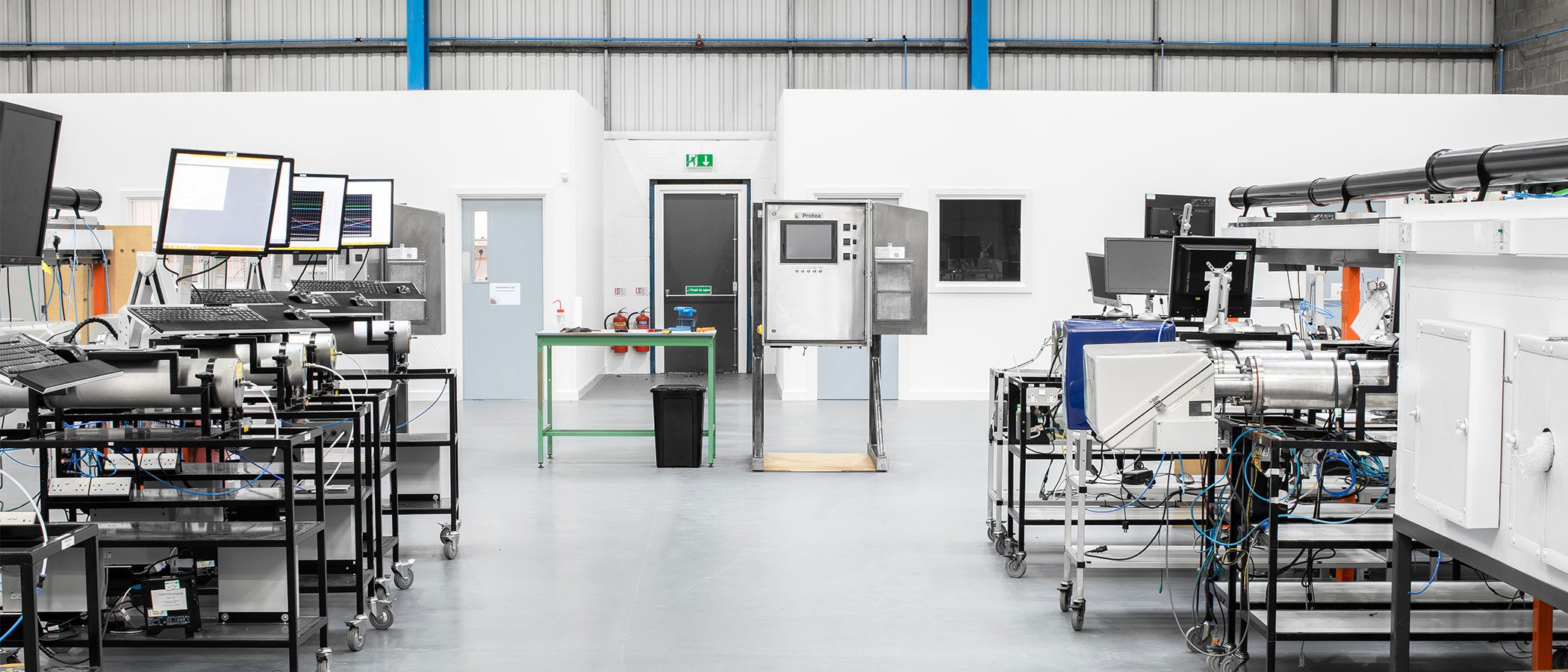
Consider Protea’s manufacturing environment. They produce high-precision gas analysers where every item is made to specification and component-level traceability and serialisation is critical. Their customers operate in demanding oil and gas environments where equipment must meet exact specifications, yet those specifications sometimes need refinement as the build progresses.
Mid-Production Specification Changes. A customer reviews initial assembly photos and requests modifications to improve field serviceability. Perhaps they need an additional access port or prefer a different mounting configuration. With a locked BOM, this triggers a complete work order cancellation, creation of a revised BOM, and a new work order release. That’s hours of administrative work, disrupted production flow, and lost time.
Component Substitutions. A specified component becomes unavailable mid-build. Engineering approves an alternative that meets or exceeds specifications. With rigid BOM systems, you can’t simply substitute, you must halt production, revise documentation, get approvals, and restart. The delay costs both time and money.
Quality-Driven Changes. Inspection reveals that a batch of components doesn’t meet tolerances. You need to scrap the defective parts and add replacement components to the work order. Traditional systems make this extraordinarily cumbersome, requiring work order closure, credit notes, new work order creation, and material reallocation.
Design Improvements During Build. Your engineering team identifies an improvement that would enhance product performance or reduce future service costs. Implementing this mid-production requires BOM flexibility. Without it, you’re forced to choose between shipping a product you know could be better or stopping production entirely to revise paperwork.
In each scenario, the cost isn’t just administrative overhead. It’s disrupted production flow, confused operators, delayed deliveries, and frustrated customers wondering why a simple change requires days of bureaucracy.
The Protea Challenge: Balancing Traceability with Agility
Protea faced a challenge common to high-precision manufacturing: maintaining complete traceability whilst preserving production flexibility. The trade-off seemed inevitable. Either you lock down your processes for audit compliance, sacrificing agility, or you prioritise flexibility, compromising traceability.
Why Traceability Matters in Precision Manufacturing
For manufacturers like Protea serving oil and gas, aerospace, medical devices, and other regulated industries, component-level traceability isn’t optional. You must know exactly which components went into which final products, when they were installed, who performed the work, and what inspection data validated quality.
This traceability serves multiple purposes. If a component batch later proves defective, you can identify exactly which products contain it and notify customers promptly. If a product fails in service, you can trace back to specific components and determine root cause. Regulatory audits require complete documentation of materials, processes, and inspections.
The Productivity Cost of Rigid Traceability Systems
Traditional MES platforms achieve traceability through rigidity. Lock the BOM, restrict changes, enforce strict processes. Every modification requires formal change orders, documentation, and approval workflows. This thoroughness protects audit compliance but destroys production efficiency.
Operators spend more time managing paperwork than building products. Engineers waste hours processing minor component substitutions. Production managers schedule work around administrative processes rather than manufacturing logic. The system designed to improve efficiency becomes an efficiency killer.
Protea needed a solution that delivered complete traceability without sacrificing the flexibility required to serve customers effectively and respond to real-world production challenges.
The DynamxMFG Solution: Dynamic BOM Management
Rather than locking BOMs at work order release, DynamxMFG treats them as living documents that can evolve during production whilst maintaining complete audit trails of every change.
Adding Components Post-Release. When production requires additional parts, operators or planners can add them directly to the active work order. The system captures who added the component, when, why, and from which stock location it came. This maintains traceability whilst eliminating the work order recreation cycle.
Removing Components. If a component proves unnecessary or is replaced with an alternative, it can be removed from the work order with full documentation. The system tracks what was removed, why, and what happened to the physical parts.
Scrapping and Rework Management. When components fail inspection, operators flag them for scrap directly within the work order. Replacement components are added, maintaining accurate material tracking and cost accounting. The system knows exactly what was scrapped, what replaced it, and the cost implications.
Component Substitutions. Engineering-approved alternatives can be substituted without work order recreation. The substitution is documented with reason codes, approver identification, and timing, creating the audit trail quality systems require whilst maintaining production flow.
Throughout all these changes, the system maintains complete component-level serialisation and traceability. Every part is tracked from receipt through installation to final product, regardless of whether it was in the original BOM or added mid-production.
The Audit Trail That Makes Flexibility Possible
The secret to combining flexibility with traceability is comprehensive audit logging. Every BOM modification, addition, removal, scrap, or substitution, creates a timestamped record showing what changed, who authorised it, and why.
When auditors or customers need to understand exactly what went into a specific product, the system reconstructs the complete manufacturing history showing both the original BOM and all subsequent modifications. This provides even better traceability than rigid systems because it captures the reality of what actually happened, not just what was originally planned.
The Transformation: What Protea Gained
The impact of dynamic BOM management on Protea’s operations was immediate and substantial, touching every aspect of their manufacturing process.
Eliminated Production Bottlenecks
Previously, every mid-production change triggered administrative delays. Work would literally stop whilst planners processed paperwork, created new work orders, and reallocated materials. DynamxMFG eliminated these bottlenecks entirely.
Changes now happen in real-time. An operator identifies a need, a supervisor approves it, the component is added or removed, and work continues immediately. What previously took hours or days now takes minutes.
Improved Customer Responsiveness
Protea’s ability to accommodate customer requests mid-production without significant delays transformed their customer relationships. When a client needs a specification change, Protea can respond with “Yes, we can incorporate that” rather than “That will require reworking the entire order and delay delivery by two weeks.”
This flexibility became a competitive advantage. Customers value suppliers who can adapt to their evolving needs without drama or delay. In competitive bid situations, the ability to promise both precision and flexibility differentiates Protea from more rigid competitors.
Reduced Administrative Overhead
The hours production planners previously spent managing BOM changes, recreating work orders, processing credits, and updating documentation, were redirected to value-adding activities like process optimisation and capacity planning.
Operators spent less time filling out paperwork and more time building products. Engineering time previously consumed by minor change order processing was refocused on actual design improvements. The efficiency gains compounded across multiple roles.
Enhanced Quality Management
Paradoxically, the flexibility to modify BOMs mid-production actually improved quality outcomes. When inspection reveals issues, the system makes it easy to do the right thing: scrap defective components, add replacements, and continue production with proper documentation.
With rigid systems, the administrative pain of scrapping and replacing components sometimes incentivises compromises. When doing the right thing is easy, quality improves. Protea’s ability to “facilitate efficient scrapping and reworking of parts whilst maintaining a clean and auditable process” meant quality never competed with efficiency.
Accelerated New Product Introduction
For bespoke manufacturers, every order is essentially a new product introduction. Dynamic BOM management allowed Protea to iterate designs during build, incorporating improvements discovered during assembly without disrupting production flow.
This capability shortened the time from initial design to proven, optimised product. Lessons learned on unit one could be incorporated into unit two without delay, accelerating the learning curve and reducing the iterations required to reach production maturity.
Beyond Protea: Who Else Benefits from Dynamic BOM Management
Whilst Protea’s story is compelling, the question becomes: which other manufacturers face similar challenges and could achieve similar benefits?
Engineer-to-Order Manufacturers
Any business where products are designed specifically for individual customers shares Protea’s need for flexibility. Whether you’re manufacturing custom automation equipment, specialised industrial machinery, or bespoke test equipment, your BOMs will evolve during production as engineering refines designs and customers request modifications.
Configure-to-Order Operations
Manufacturers offering highly configurable product platforms, where customers select from hundreds of options, combinations, and customisations, need systems that accommodate variations without creating administrative chaos. Dynamic BOM management allows you to maintain base product templates whilst flexibly adding customer-specific configurations.
Complex Assembly Manufacturers
Any operation involving hundreds or thousands of components in complex assemblies faces the reality that not everything goes according to plan. Component availability issues, quality concerns, design improvements, and field feedback all drive mid-production changes. Flexibility isn’t a luxury, it’s operational necessity.
Prototype and Low-Volume Manufacturers
When you’re producing five units rather than five thousand, the traditional “lock the BOM, run production, then revise for next run” approach doesn’t work. You need to capture learnings and implement improvements within a single production run, requiring dynamic BOM capabilities.
Regulated Industry Manufacturers
Companies serving aerospace, medical device, automotive, or other regulated sectors might assume that flexibility conflicts with compliance requirements. Protea’s experience proves otherwise. Dynamic BOM management with comprehensive audit trails provides better regulatory documentation than rigid systems precisely because it captures what actually happened rather than what was initially planned.
The Implementation Reality: What to Expect
Understanding what dynamic BOM management can do matters only if you can actually implement it effectively. Protea’s experience provides a realistic roadmap.
The Configuration Phase
Implementing dynamic BOM management begins with defining your business rules. Which roles can modify BOMs? What approval workflows apply to different change types? How are reason codes structured? What documentation is required for substitutions versus additions versus scrap?
These questions aren’t bureaucratic obstacles, they’re opportunities to encode your quality management system directly into your manufacturing execution platform. DynamxMFG’s configuration tools allow you to define these rules without custom programming, making implementation straightforward.
Training for Flexibility
The shift from rigid to dynamic BOM management requires training, not just on software functionality but on the philosophy of empowered decision-making. Operators and supervisors gain authority to make changes that previously required planner intervention. This empowerment requires judgment, not just technical skill.
Protea’s training emphasised when flexibility was appropriate and when changes required engineering review. This judgment-based training created a culture where flexibility served quality and efficiency rather than creating chaos.
Integration with Quality Management
Dynamic BOM management must integrate seamlessly with your quality management processes. When components are scrapped, what inspection data is required? When substitutions occur, what approvals are needed? How do design changes trigger updated documentation?
DynamxMFG’s flexibility allows you to enforce quality requirements through system constraints rather than relying solely on procedural discipline. This makes compliance easier rather than harder.
The Cultural Shift
Perhaps the most significant aspect of implementation isn’t technical, it’s cultural. Protea’s organisation shifted from “protect the system from changes” to “enable changes while maintaining control.” This mindset change, from rigidity to disciplined flexibility, differentiated their operation from less adaptive competitors.
Understanding the Investment: What Does This Capability Cost?
Dynamic BOM management isn’t an isolated feature, it’s part of a comprehensive Manufacturing Execution System. Understanding what you’ll invest, and what you’ll gain, requires realistic cost projections.
For manufacturers like Protea with 20-50 users, operating single or multiple facilities, and requiring sophisticated traceability and quality management features, investment typically falls within the Professional or Enterprise tier of DynamxMFG pricing: £400-£1,000+ per user per month depending on specific feature requirements and integration complexity.
Implementation costs for operations requiring dynamic BOM capabilities, comprehensive traceability, and integration with existing ERP or quality management systems typically range from £40,000 to £80,000. This includes process mapping, system configuration, data migration, integration development, and comprehensive training.
The key question isn’t whether this investment fits your budget, it’s whether the return justifies the cost. For Protea, the ability to accommodate customer changes without delay, eliminate administrative bottlenecks, and maintain complete traceability transformed their competitive position. Andrew Toy’s statement that dynamic BOM management “has been the single biggest improvement for our business” quantifies the value clearly.
Calculating Your ROI
The return on dynamic BOM management investment comes from several sources:
Eliminated Delay Costs. Calculate how much time you currently lose processing BOM changes through traditional work order recreation cycles. If you waste eight hours per month per planner on change management, that’s 96 hours annually per planner. At £35 per hour fully loaded, that’s £3,360 per planner in direct cost, plus the opportunity cost of delayed production.
Improved Customer Satisfaction and Retention. What’s the value of accommodating customer mid-production changes without drama or delay? In competitive markets, this flexibility directly influences win rates and customer loyalty. Even a modest 5% increase in customer retention delivers substantial lifetime value.
Reduced Quality Costs. When scrapping and replacing defective components is administratively easy, quality improves because doing the right thing doesn’t create bureaucratic pain. Manufacturers typically see 15-25% reductions in quality costs when systems make compliance easier rather than harder.
Faster Learning Cycles. The ability to iterate designs mid-production accelerates learning, particularly for new product introduction and bespoke manufacturing. Reducing time-to-optimised-product by even 10-15% delivers significant competitive advantage.
Making the Business Case for Dynamic BOM Capabilities
If you operate in bespoke manufacturing, engineer-to-order, or any environment where flexibility matters, building the business case for dynamic BOM management is straightforward.
Start with Pain Points
Document your current administrative overhead for managing BOM changes. Track how many work orders get cancelled and recreated due to mid-production modifications. Calculate the production delays these administrative processes cause. Quantify the customer requests you can’t accommodate because your systems lack flexibility.
These pain points translate directly to costs that dynamic BOM management eliminates. Make them visible to stakeholders who control budgets.
Demonstrate Competitive Advantage
In markets where customers value flexibility, the ability to accommodate changes without delay isn’t just an operational improvement, it’s a differentiator. Interview your sales team about deals lost or delayed because competitors offered greater flexibility. Quantify the competitive advantage dynamic BOM management would create.
Show the Protea Precedent
Case studies matter. Protea operates in a demanding, regulated industry serving critical oil and gas applications. If dynamic BOM management delivered “the single biggest improvement for their business” in that environment, it can certainly transform less-regulated, less-critical operations.
Use Protea’s experience to demonstrate that flexibility and traceability aren’t conflicting requirements, they’re complementary capabilities that intelligent systems deliver together.
Get Transparent Pricing
Unlike most MES vendors who hide behind “contact sales” walls, DynamxMFG offers transparent pricing through our Pricing Estimator. Input your user count, production complexity, and integration requirements to receive immediate cost projections across Basic, Professional, and Enterprise tiers.
This transparency allows you to include concrete investment figures in your business case rather than vague placeholders, making your proposal immediately actionable.
The Broader Implications: Manufacturing in the Age of Customisation
Protea’s experience with dynamic BOM management reflects a broader trend in manufacturing. Customers increasingly expect customisation, not standardisation. Mass production is giving way to mass customisation. The manufacturers who thrive in this environment are those who build flexibility into their operations without sacrificing quality, efficiency, or profitability.
Rigid manufacturing execution systems designed for an era of standard products produced in high volumes are becoming liabilities rather than assets. The future belongs to platforms that embrace complexity, accommodate variation, and empower adaptation whilst maintaining the control, traceability, and quality assurance that precision manufacturing demands.
Andrew Toy’s recognition that dynamic BOM management was “the single biggest improvement” for Protea signals where manufacturing is heading: towards systems that amplify human judgment rather than constraining it, that treat flexibility as a feature rather than a bug, and that recognise that modern manufacturing is fundamentally about controlled adaptation rather than rigid replication.
Your Next Step: Calculate What This Capability Would Cost
You now understand how dynamic BOM management transforms bespoke manufacturing operations. The question is whether this capability makes sense for your specific operation at your specific investment level.
Use the DynamxMFG Pricing Estimator to see exactly what this would cost. Input your number of users, your production complexity (likely moderate to high if you’re reading this article), and your integration requirements with existing ERP, CAD, or quality management systems.
You’ll receive immediate, transparent cost projections showing what Professional and Enterprise tier pricing looks like for your operation. No sales call required, no obligation, just honest numbers that help you make informed decisions.
For bespoke manufacturers, engineer-to-order operations, and anyone dealing with complex, customised production, dynamic BOM management isn’t a luxury feature. It’s the difference between a system that constrains your growth and one that enables it.
Get your custom pricing projection now using our Pricing Estimator. See what dynamic BOM management would cost for your operation, then decide if transforming your flexibility makes business sense. Two minutes, no commitment required.
Because in an era where customisation defines competitive advantage, your manufacturing execution system should enable adaptation, not fight it.
TotalControlPro’s DynamxMFG platform delivers dynamic BOM management with complete component-level traceability, enabling bespoke manufacturers to accommodate changes without compromising audit compliance. Built by manufacturers for manufacturers who serve demanding customers in competitive markets. Calculate your investment using our transparent Pricing Estimator, no sales call required.


